top of page

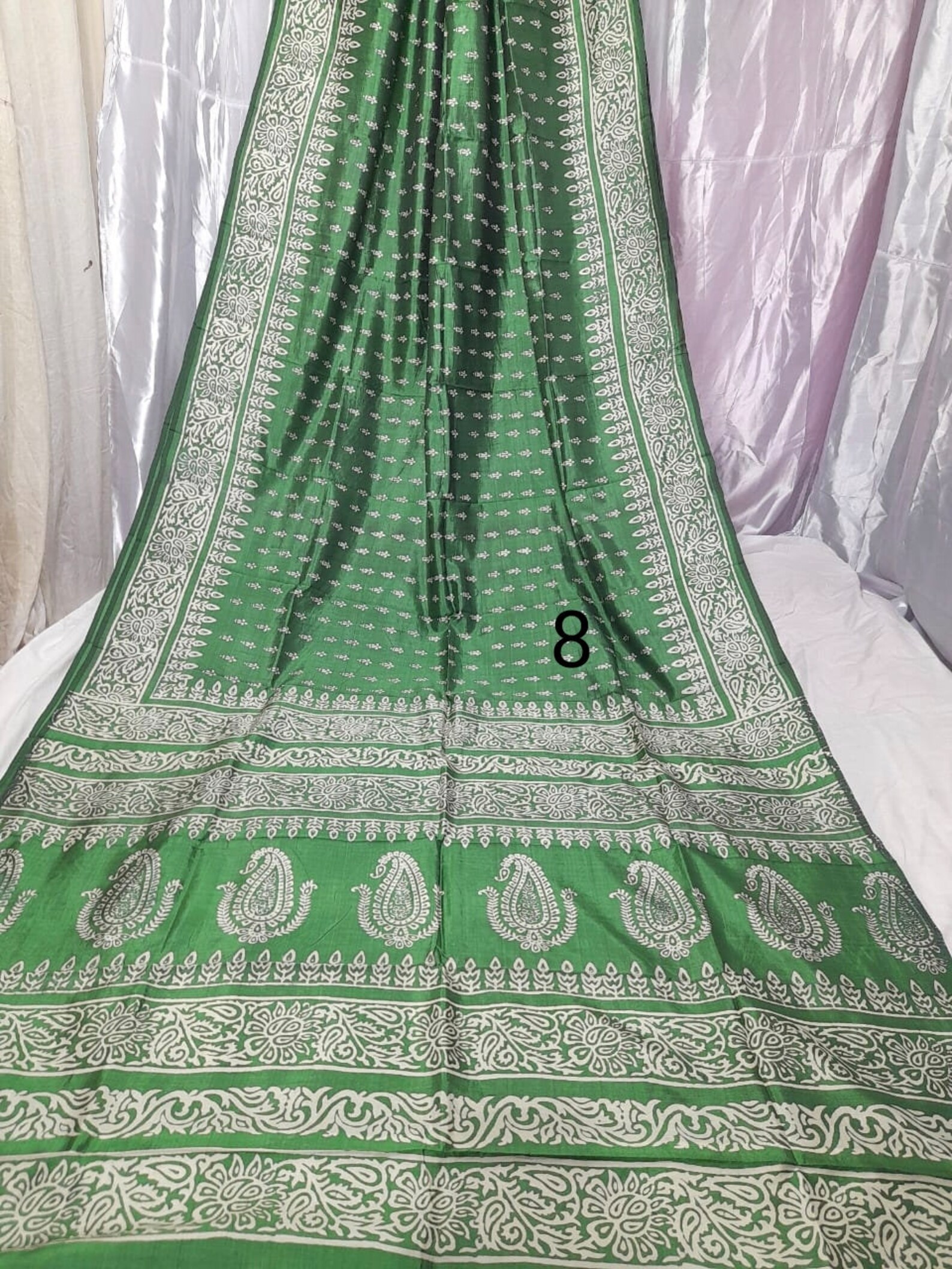
Bishnupuri Silk Sarees
Bishnupur, also referred to as Vishnupur, is a town and municipality located in the Bankura district of West Bengal. Named after Lord Vishnu, who was revered by the Malla kings in the 17th and 18th centuries, it served as the capital of the Malla kingdom. The town is famous for its rich heritage of silk saree production, particularly the exquisite Baluchari silk sarees. Additionally, Bishnupur is known for crafting fine, lightweight silk sarees that feature a soft, smooth texture and drape elegantly.
Brief History
The art of silk weaving in Bishnupur dates back several centuries. It is particularly recognised for its peak during the 18th and early 19th centuries when the East India Company engaged in trading embroidered scarves and floral fabrics crafted from exquisite Bishnupuri silk.
Meanwhile, approximately 200 kilometers away, in another silk-producing region of Bengal, Murshidabad, the creation of baluchari silk sarees thrived under the royal support of the Nawabs of Bengal. The Baluchari weavers originally settled along the banks of the river Bhagirathi, but a flood forced them to relocate to Bishnupur. Over time, trade diminished under British rule, and the arrival of inexpensive mill-made fabrics from England, coupled with financial restrictions, ultimately drove the baluchari weavers out of their traditional craft.
The resurgence of Baluchari weaving in the mid-20th century was spearheaded by the artist Subho Thakur, who innovated the jacquard weaving technique, significantly streamlining the process and reducing the time required to create a saree. This new chapter in baluchari weaving showcases motifs inspired by epics and religious texts, a tradition that continues to thrive today among the weavers of Bishnupur.
Silk Weaving in Bishnupur today
Silk weaving remains a significant cottage industry in Bishnupur, with approximately 15% of the local population working in the handloom sector today. However, the area is not particularly conducive to silkworm rearing or mulberry farming, leading to most of the raw silk being sourced from other silk-producing regions like Murshidabad and Malda. Besides Baluchari silk sarees, pure silk sarees featuring block prints, acid prints, and batik-painted designs are also quite prevalent. These sarees are lightweight and breathable, available in a wide range of colours with both traditional and quirky patterns. They are soft, easy to drape, and suitable for both casual and formal occasions.

01
Bishnupuri Silk Sarees

bottom of page